
Trusted Foundation Repair of Arizona
Trusted Foundation Repair of Arizona
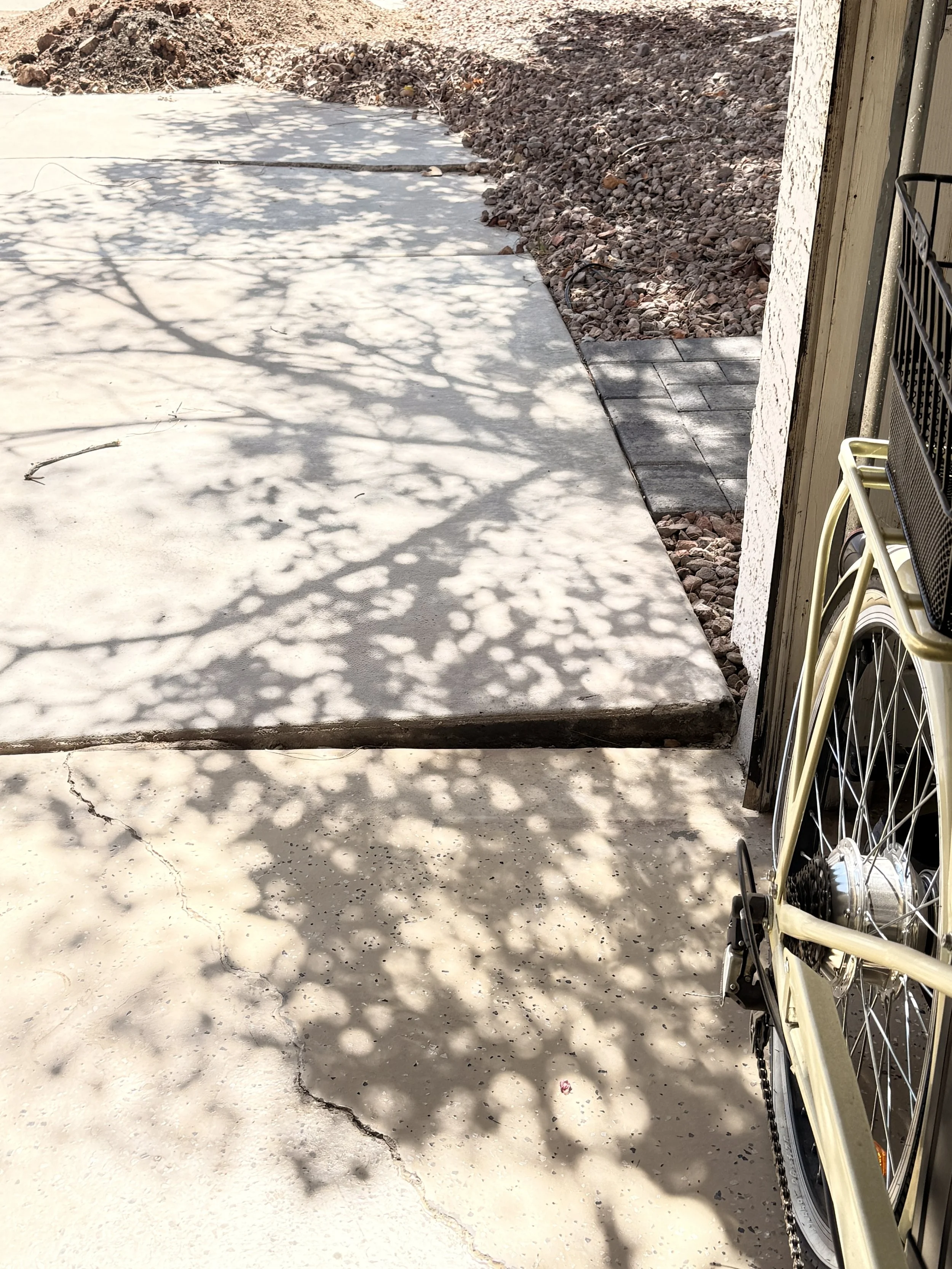
What Is Concrete Lifting and Do You Need It?
If you’ve noticed a sunken section of your driveway, a tripping hazard on your walkway, or a garage floor that’s dipped near the door, you’re looking at a classic case of concrete settlement. In Arizona, this is one of the most common issues homeowners face. The good news is, you likely don’t need to tear out and replace the concrete.
Concrete lifting (also called concrete leveling, slab lifting, or polyurethane foam injection) is a fast, minimally invasive process that raises settled concrete slabs back to their original position. At Trusted Foundation Repair of Arizona, we specialize in this exact fix for homeowners and commercial properties across the Phoenix metro area.
Signs You Need Concrete Lifting
Concrete settlement doesn’t always look dramatic at first. Here are the most common signs Arizona homeowners notice before calling us:
One section of your driveway or walkway is noticeably lower than adjacent slabs
You have a trip hazard on your front walk, patio, or pool deck
Your garage floor has sunk near the overhead door
Water pools on or near your concrete after rain
You can see a gap forming between a concrete slab and an adjacent wall or structure
Concrete feels “hallow” when you walk on it or tap it
Arizona soil conditions, including expansive clay and caliche, make concrete settlement common, particularly after the monsoon season when the ground absorbs large amounts of water quickly.
Our Concrete Lifting Process
We use polyurethane foam injection, the most advanced and long-lasting concrete lifting method available. Here’s how the process works, start to finish:
Free On-Site Estimate: We assess your slabs, identify the cause of settlement, and give you an honest quote.
Drill Small Access Holes: We drill small (penny-sized) holes through the settled slab at precise locations.
Inject Polyurethane Foam: A specialized two-part foam is injected beneath the slab through the holes. As it expands and cures, it fills voids and lifts the concrete.
Level and Fine-Tune: We monitor the lift in real time and adjust to achieve an accurate, even surface.
Patch and Finish: The small access holes are patched flush. Most customers can walk or drive on the concrete within 15–30 minutes.
Frequently Asked Questions - Concrete Lifting
Q: How long does concrete lifting take?
A: Most residential jobs take 1–3 hours from start to finish. You can walk on the surface in 15–30 minutes after we’re done, and it’s typically ready for vehicle traffic within 30–60 minutes.
Q: How long does the repair last?
A: Polyurethane foam is a permanent material that won’t break down, wash away, or compress over time. With proper drainage maintenance, a concrete lifting repair typically lasts as long as the concrete itself — often 10+ years.
Q: Is concrete lifting cheaper than replacement?
A: Almost always, yes. Slab replacement requires demolition, disposal, forming, pouring, and curing. Concrete lifting typically costs 25–50% of replacement, with far less disruption to your property.
Q: Will the foam damage my soil or plants?
A: No. The polyurethane foam we use is inert once cured and has no harmful effects on surrounding soil, landscaping, or groundwater.
Q: Does homeowner’s insurance cover sunken concrete?
A: It depends on your policy and the cause of damage. Sudden accidental damage (like a plumbing break) is more likely to be covered than gradual settlement. We can provide documentation to support an insurance claim if needed.
Q: Can you lift concrete next to a pool or foundation wall?
A: Yes. We regularly work on pool decks, patios adjacent to home foundations, and areas with limited access. We’ll assess your specific situation during the free estimate.